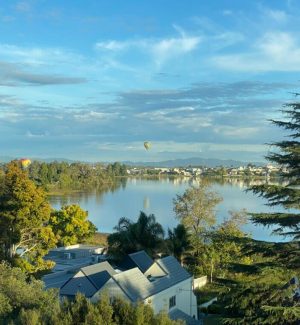
The mist rises from New Zealand’s longest river like whispered secrets from the past, and Sarah knows she’s about to discover why Hamiltonians call their city the beating heart of the Waikato. At 5:30 am, the river is her sanctuary. Sarah slips her kayak into the cool, dark water, the only sound the soft glide of her paddle cutting through the glassy surface. The air, crisp and biting, smells of wet earth, the deep, loamy scent of the riverbank, and a faint whisper of impending rain. The city skyline is a gentle silhouette against the pre-dawn glow, a jagged line of office towers and the elegant spire of St Peter’s Cathedral. This is the Hamilton few people see, a place of quiet contemplation and shared solitude.
Her journey begins at the old Hamilton Rowing Club jetty, a splintered wooden platform that has launched generations of athletes. As she navigates a gentle bend, she spots them: the rowing eights. They are a line of silent, powerful giants moving in perfect sync, their oars rising and falling with machine-like precision. It’s a ballet of muscle and grace, and Sarah watches them for a moment, captivated by their dedication. “Morning, Sarah!” a voice calls out across the water. It’s Mike, a man in his sixties who’s been rowing this river for over forty years, his silver hair a beacon in his single scull. He tells her the river has a different mood every day, a lesson she’s come to learn herself. Today, it’s a calm, reflective mirror.
She paddles past the old steam-pump house, a red-brick monument to the city’s industrial past, now a silent sentinel on the bank. Its windows are dark, its pipes rusted, a stark reminder of the city’s journey from a gritty river port to a modern urban center. Yet, even here, nature has reclaimed its space; thick vines cling to the brickwork, and a chorus of bellbirds sings from the trees on the opposite bank. She dips her hand into the cold water, feeling its pulse. The Waikato River is the longest in New Zealand, and its currents are the very lifeblood of the city, sustaining not just the people, but the flora and fauna that thrive along its banks. She spots a kingfisher, a flash of turquoise and orange, perched on a branch, its eyes scanning the water for breakfast.
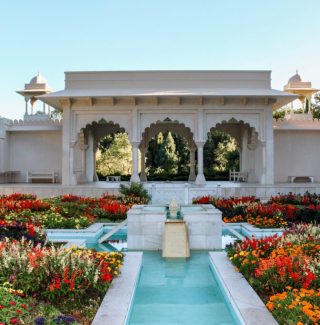
Further along, the river opens up to reveal a stunning tapestry: the Hamilton Gardens. From the water, they are a series of intricate, green-roofed buildings and manicured lawns. The sight is different from the land-based view; here, the themed collections emerge from the riverbank in a way that feels organic and connected. She can almost imagine the Ancient Egyptians and the Italian Renaissance gardeners debating the merits of river-based irrigation. The contrast is palpable—industrial remnants standing sentinel over meticulously manicured landscapes, a dialogue between history and horticulture.
Her journey ends at a small, hidden riverside café, a wooden cabin nestled under a massive willow tree. The aroma of freshly brewed coffee mingles with the river air, and the warmth of the cabin is a welcome embrace. Here, she sits with fellow early birds—a group of runners, a dog walker, and a retired couple who come every day. They share quiet moments before the city fully wakes, their conversation hushed and respectful of the morning’s peace. They talk about the weather, the river’s level, and the simple beauty of their shared ritual. It is a testament to the river’s power to connect them all, a place of shared purpose and quiet camaraderie. Sarah realizes that this river is more than just a waterway; it’s a living entity that carries the city’s past, present, and future on its currents, a constant, beating heart for all who call Hamilton home.