
If you live in the Waikato, you don’t call it “Lake Rotoroa.” To everyone here, it is simply “The Lake.” It is the place where thousands of Hamiltonians start their mornings with a sunrise jog, where families gather for Sunday picnics, and where the city’s history is written into the very soil of the 101-hectare domain.
The Hamilton Lake Walkway is more than just a 3.8-kilometer loop; it is a living, breathing ecosystem and a social hub that bridges the gap between our busy urban lives and the natural world. Whether you are training for your first 5km run or looking for a quiet spot to watch the black swans glide by, this is arguably the most important green space in the city.
In this guide, we’re going deep—exploring the geological origins of the water, the heritage landmarks you walk past every day, and the major infrastructure projects currently shaping the lake’s future in 2026.
20,000 Years in the Making: The Origins of Lake Rotoroa
The history of Lake Rotoroa is deeply tied to the movement of the Waikato River. Around 20,000 years ago, the river changed its course entirely. As it shifted, it left behind a series of “palaeochannels” or abandoned riverbeds. Over time, as peat (partially decayed plant matter) began to build up in the surrounding wetlands, it acted as a natural dam, trapping water in these low-lying areas.
This process created the shallow “peat lakes” that the Waikato is famous for. Lake Rotoroa is the largest of the three lakes within Hamilton’s city boundaries, covering approximately 54 hectares. Because it is a peat lake, the water naturally has a higher level of nutrients, giving it a distinctive character that the City Council and Waikato Regional Council work tirelessly to manage.
Walking the Loop: What to Expect
The 3.8km walkway is a remarkably consistent experience. It is almost entirely flat, making it a “gold standard” for accessibility in New Zealand.
The Terrain and Accessibility
The path is wide and paved with high-quality concrete, with the exception of the southwestern side, where a beautiful timber boardwalk carries you over the sensitive wetlands. This diversity of terrain keeps the walk interesting. Because of the flat gradient, the lake is a favorite for:
- Parents with Prams: The smooth surface means no bumpy rides for sleeping toddlers.
- Wheelchair Users: The wide berths allow for easy passing and full access to the views.
- Cyclists: While it is a shared space, the visibility is generally excellent, allowing for safe commuting and leisure riding.
The “Boardwalk” Experience
The southwestern section of the walk is perhaps the most scenic. Here, you are surrounded by native harakeke (flax) and reeds. In 2026, the boardwalk remains in excellent condition, offering several “lookout” points where you can stop and watch the dragon boats practicing or see the sun dipping below the horizon.
Heritage and Landmarks: History Under Your Feet
As you walk, you are passing by remnants of Hamilton’s colonial and civic past. Most people walk right past these landmarks without realizing their significance.
The Lake House (1872)
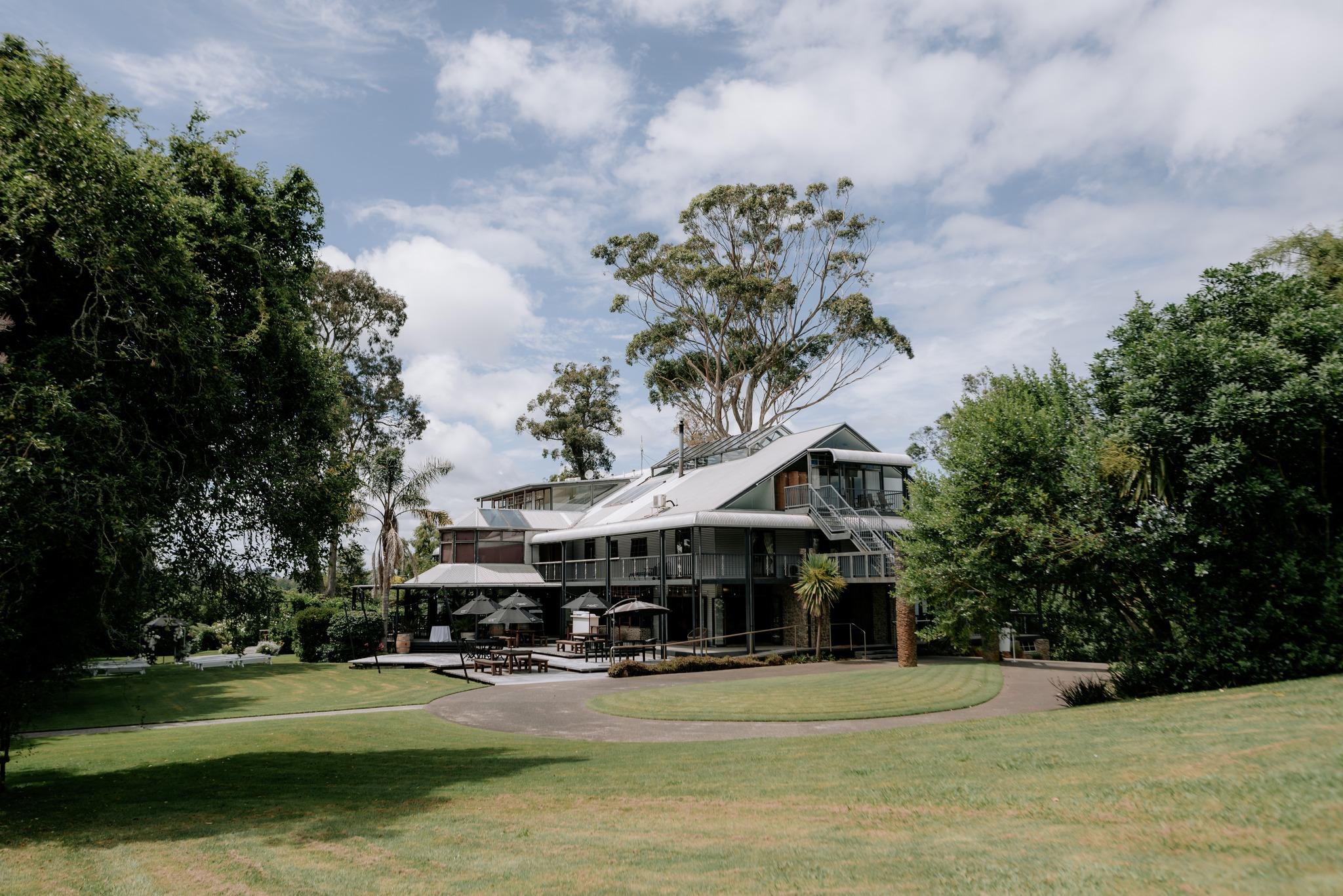
Visible from the walkway, this historic building was originally designed by Isaac Richardson Vialou—the man who would become Hamilton’s first mayor in 1878. It was built for Alfred Cox as part of the massive Rukuhia Estate. Today, it stands as a reminder of the lake’s long history as a place of high social standing and agricultural importance.
The F230 Locomotive
Located near the playground and the Verandah Café, you’ll find a retired steam engine, the F230. Gifted to the community in 1957, it is a favorite for kids to climb on (under its protective shelter). It represents the era when the railway was the lifeblood of the Waikato.
The Arthur Swarbrick Memorial Arch
On Ruakiwi Road, look for the ivy-covered arch built in 1929. It honors Arthur Swarbrick, the former chairman of the Hamilton Domain Board. It was under his watch that much of the lake domain was transformed from a wild wetland into the manicured parkland we enjoy today.
Wildlife and the Ecological Balance
The lake is a sanctuary for birdlife, and if you bring binoculars, you are in for a treat. You will consistently see:
- Black Swans (Mātai): Often seen in large groups on the eastern side.
- Pūkeko: These bold blue-and-red birds are usually foraging in the grassy areas near the boardwalk.
- Native Fish: While you might not see them from the path, the lake is home to shortfin eels (hao) and common bullies (pako).
A Note on Water Quality: Like many shallow urban lakes, Rotoroa is “eutrophic,” meaning it has high nutrient levels. While the water clarity has improved significantly since the late 1990s—thanks to the regrowth of native water plants like charophytes—it can still be prone to algal blooms in hot weather. In 2026, the council continues to advise against swimming or eating fish caught in the lake due to historic arsenic levels in the sediment (a remnant of weed control efforts back in 1959).
2026 Infrastructure: The Ruakiwi Reservoir Project
If you’ve visited the northern end of the lake recently, you’ll have noticed some major activity. To secure Hamilton’s water supply for the next 50 years, the city is constructing two massive 25-megalitre water reservoirs near Ruakiwi Road.
This is a high-stakes project that balances engineering with ecology. Because the area is home to native long-tailed bats (pekapeka-tou-roa), the project includes:
- Bat Roost Protection: 42 artificial bat roost boxes are being monitored to ensure the local population isn’t displaced.
- Restoration Planting: Over 7 hectares of the domain are being targeted for intensive pest control and native planting to offset the construction.
Comparing Hamilton’s Top Walking Tracks
To help you decide if the Lake is the right spot for your next outing, here is how it compares to other popular local routes:
| Feature | Hamilton Lake Loop | Te Awa River Ride | Hamilton Gardens |
|---|---|---|---|
| Distance | 3.8 km | 10 km+ (Variable) | 2–5 km (Exploration) |
| Terrain | Flat & Paved | Mostly Paved / Hills | Paved & Gravel |
| Dog Friendly? | Yes (Leashed) | Yes (Leashed) | No (Assistance only) |
| Playground? | Yes (Destination) | Yes (Various) | No |
| Cafe Access? | Excellent | Moderate | Excellent |
| Best For… | Families & Training | Cycling | Tourists |
Water Sports: The Hamilton Yacht Club
Lake Rotoroa is the home base for the Hamilton Yacht Club, which has been a fixture of the community since 1938. In 2026, the club remains as active as ever.
During the summer months (October through April), the “Twilight Racing” on Wednesday evenings is a local spectacle. You’ll see fleets of Optimists, Lasers, and Starling boats navigating the lake’s unpredictable winds. Because the lake is sheltered by the surrounding hills, it is considered one of the best places in New Zealand for beginners to learn the ropes of sailing.
Practical Information for Your Visit
To ensure your visit is seamless, keep these logistics in mind:
- Parking: The main carpark at the end of Ruakiwi Road (near the Balloons Over Waikato launch site) is the most popular. For a quieter start, try the Innes Common carpark off Lake Crescent.
- Toilets: There are three main blocks: near the playground, at the Yacht Club, and at Innes Common.
- Dogs: Dogs are permitted on the walkway but must be on a lead. If your dog needs to burn off energy, head to the western side of the lake at Innes Common, where there is a large, designated off-leash exercise area.
- Coffee & Food: The Verandah Café offers full meals and cabinet food. If you’re just after a quick snack, there are often ice cream trucks near the playground on weekends.
Conclusion
The Hamilton Lake Walkway isn’t just a place to exercise; it’s a place to reconnect. It’s where you can see the history of the Waikato in the trees and the future of the city in the new reservoirs being built. Whether you’re a regular visitor or a first-timer, there is always something new to see—a new hatch of ducklings, a change in the water’s color, or a new community event at the Yacht Club.
FAQs
How long is the Hamilton Lake walk?
The full circuit around Lake Rotoroa is 3.8 kilometers long. For an average walker, it takes about 45 to 60 minutes to complete the loop.
Can you walk your dog around Hamilton Lake?
Yes, you can walk your dog on the lake path, provided they are on a lead at all times. There is a specific off-leash area for dogs located at Innes Common on the western side of the lake.
Is Hamilton Lake safe to swim in?
No, swimming is not recommended at Hamilton Lake. The water is managed for boating and rowing, but due to historical sediment issues and occasional algal blooms, it is not considered safe for swimming.
Is there a cafe at Hamilton Lake?
Yes, the Verandah Café is located near the main playground on the eastern side of the lake. It is open daily and serves coffee, snacks, and full meals.
Are there toilets at Hamilton Lake?
Yes, there are multiple public toilet facilities located around the lake, including near the destination playground and the Hamilton Yacht Club.
Where is the best place to park for the lake walk?
Most people park at the Hamilton Lake Domain off Ruakiwi Road. If that is full, Innes Common on Lake Crescent offers a large amount of free parking.