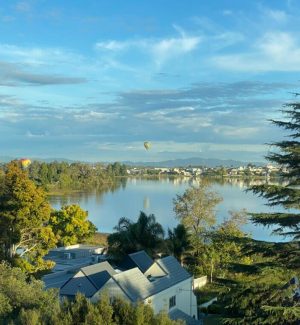
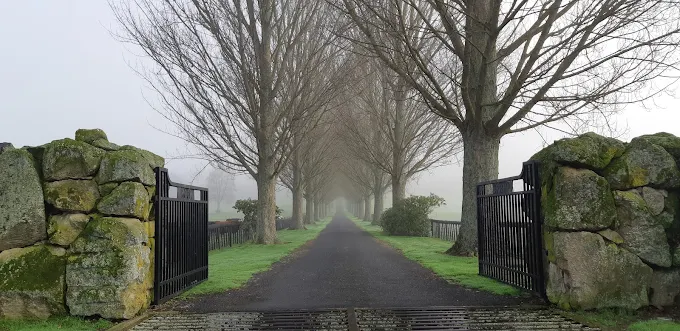
If you are looking for a typical city park with manicured lawns and concrete paths, you might be in the wrong place. However, if you want to experience the raw, authentic beauty of the Waikato as it was hundreds of years ago, Waiwhakareke Natural Heritage Park is unparalleled.
Established in 2004 and officially opened to the public in late 2019, this 65.5-hectare ambitious initiative is one of the most significant ecological restoration projects in New Zealand. While many of the best parks in Hamilton focus on recreation and floral displays, Waiwhakareke is a “living laboratory” dedicated to reviving the region’s diverse ecological history. In 2026, the park has reached a stunning level of maturity, offering an immersive escape into a thriving native ecosystem right on the city’s edge.
Why Waiwhakareke is One of the Best Parks in Hamilton
In a city known for its green spaces, Waiwhakareke stands out by offering something truly unique: Total Ecological Immersion. While the Hamilton Gardens offers world-class curated beauty, Waiwhakareke offers a glimpse into Hamilton’s natural legacy.
- Restoration at Scale: Covering over 65 hectares, it is a massive, multi-generational effort to recreate the kauri, tawa, and kahikatea forests, as well as the wetland ecosystems that were once common across the Waikato basin.
- Biodiversity Hub: Through intensive predator control and the planting of hundreds of thousands of eco-sourced native plants, the park has become a sanctuary for vulnerable species that cannot flourish elsewhere in the city.
- A “Quiet” Experience: This is the best park in Hamilton for those seeking solitude and a deep connection with nature, far from the noise of typical urban attractions.
Restoring Hamilton’s Ecological and Cultural Heritage
Waiwhakareke Natural Heritage Park isn’t just about trees; it’s about a long-term vision for sustainability and heritage. It serves as an affirmation of Hamilton’s natural beauty for future generations.
Forest and Wetland Regeneration
By planting and nurturing native trees, the park is successfully recreating the lush forests that once defined the region. The Waiwhakareke wetlands and peat lake (Horseshoe Lake) play an equally vital role, maintaining water quality and creating essential habitats for rare bird and aquatic species, including longfin eels and mudfish.
Cultural Connection
Waiwhakareke (translating to “water to plunge a pole”) aims to restore cultural heritage alongside natural ecosystems. Reflecting Māori values and traditions, the park is a reminder of the integral connection between the land and its people. It serves as a guardian of the region’s cultural legacy, fostering an appreciation for Hamilton’s unique identity.
Things to Do at Waiwhakareke Natural Heritage Park
Visiting this park is an ongoing journey of discovery. Because the restoration is a long-term vision, the park reveals new details with every passing season.
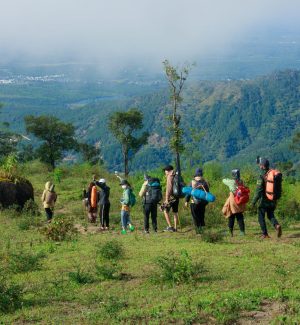
- Immersive Nature Walks: Follow the well-maintained 2.9km loop track through shifting ecosystems—from regenerating forest canopies to tranquil wetland boardwalks. It takes roughly 1 to 2 hours to walk at a leisurely pace.
- Premier Birdwatching: With the return of native species, the park is a hotspot for enthusiasts. The forest and wetlands are alive with vibrant bird calls that were silent in this area for decades.
- Educational Exploration: Use the park as an environmental classroom. It’s one of the few places in the city where you can see active conservation efforts, like predator control and native species preservation, in real-time.
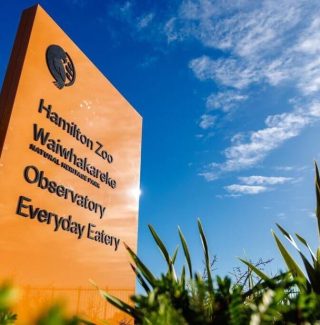
- The “Zoo-to-Park” Combo: Thanks to the shared entry precinct at the Te Kaaroro Nature Precinct, many visitors spend the morning at the Hamilton Zoo and then head directly across to Waiwhakareke for a quiet walk to finish the day.
How it Compares: Best Parks & Walks in Hamilton
To understand why Waiwhakareke is a must-visit, it helps to see how it fits into the wider landscape of Hamilton’s recreational spaces.
| Park / Walkway | Best For… | Vibe | Dog Friendly? |
|---|---|---|---|
| Waiwhakareke | Conservation & Nature Walks | Wild, Quiet, Authentic | No (Strictly Prohibited) |
| Hamilton Gardens | World-class themed displays | Manicured, Vibrant, Busy | Yes (Select areas) |
| Hamilton City River Ride | Long-distance biking & walking | Active, Scenic, Urban | Yes |
Planning Your Visit to Waiwhakareke
To ensure the native species can thrive without interruption, there are specific guidelines that all visitors must follow.
- No Dogs or Bikes Allowed: To protect ground-nesting birds, vulnerable wildlife, and the walking tracks, dogs and bicycles are strictly prohibited. For a dog-friendly walk or a bike ride, we recommend the Hamilton City River Ride and Walks.
- Location: The park is accessed via the Te Kaaroro Nature Precinct on Brymer Road, directly across from the Hamilton Zoo.
- Facilities: The shared entry precinct includes parking, public toilets, and access to the Everyday Eatery café at the zoo entrance.
- What to Bring:
- Sturdy walking shoes for the gravel and boardwalk trails.
- Binoculars for birdwatching.
- A camera to capture the scenic beauty from the elevated viewing platforms.
A Legacy of Conservation
Waiwhakareke Natural Heritage Park is more than just a destination; it is a movement. By visiting, you are witnessing the rebirth of a landscape and supporting Hamilton’s role as a leader in urban conservation. As the park continues to evolve over the coming decades, it will remain a vital sanctuary for the city’s natural and cultural treasures.
FAQs About Waiwhakareke Natural Heritage Park
Is Waiwhakareke free to enter?
Yes, like most of the best parks in Hamilton, there is no entry fee for the public to enjoy the tracks and sanctuary.
Why are dogs not allowed in the park?
Waiwhakareke is a sensitive ecological reserve. Dogs, even on leads, can disturb native wildlife and ground-nesting birds that the park was specifically created to protect.
How big is the park?
The park spans 65.5 hectares of restored forest, wetland, and peat lake margins.
When did Waiwhakareke open to the public?
While the planting and restoration project began in 2004, the park officially opened its trails to the public in November 2019.
Can I volunteer at the park?
Yes! The park relies heavily on a collaborative effort between local authorities, researchers, and volunteers. Community planting days (like the massive annual Arbor Day event) are a great way to get involved.
Is the park suitable for children?
Absolutely. The wide, easy-grade 2.9km loop is a fantastic place for families to learn about conservation and see New Zealand’s native flora and fauna up close.