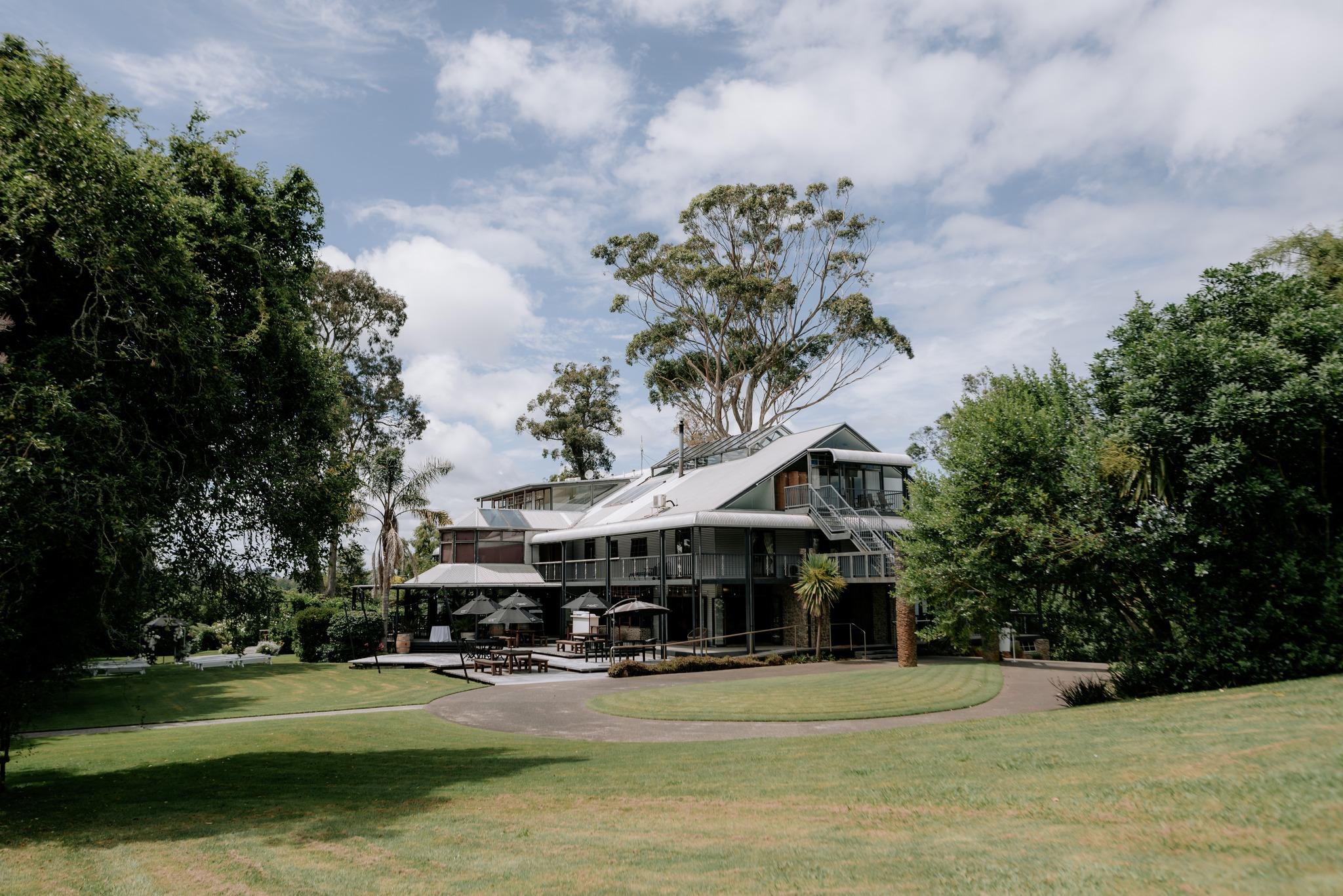
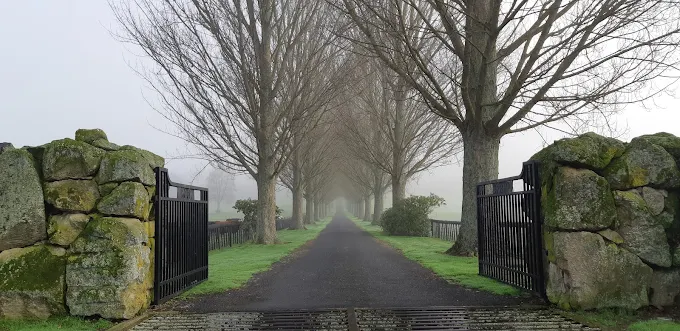
Hamilton Lake, also called Lake Rotoroa, is a central Hamilton place for a lakeside walk, a playground visit or a picnic. The loop around the water is about 3.8 km, and Hamilton City Council lists parking, toilets, picnic tables, bike paths, accessible play equipment and a café at Hamilton Lake Domain. The park is close to the city centre, but it feels like a change of pace from central streets. If you are planning a first visit, start with the lake loop or the Ruakiwi Road playground, then decide how long you want to stay.
This guide focuses on what you can actually do and what you should check before leaving. It also separates the park from the water itself. The paths and lawns are everyday public spaces; entering the lake requires a current water-quality check. Dog access also changes by area. We verified the practical details against Hamilton City Council’s domain listing and its separate Lake Rotoroa water-quality advice on 22 September 2026. Conditions and rules can change, so use those official pages again on the day of your visit.
Hamilton Lake at a glance
| Plan for | What to know |
|---|---|
| Place | Hamilton Lake Domain, Ruakiwi Road, Hamilton Lake suburb |
| Lake name | Lake Rotoroa, often called Hamilton Lake |
| Lake loop | About 3.8 km around the water |
| Facilities | Playground, toilets, parking, picnic tables, café, paths and boardwalk |
| Dogs | Designated off-lead area; other places have on-lead or exclusion rules |
| Water | Check the council’s current risk indicator before entering or letting pets enter |
The park facilities and location are from Hamilton City Council. The 3.8 km loop is recorded in the council’s Hamilton Lake Domain Management Plan. The route you walk can be longer if you add playground or café stops. Swipe the table sideways on a narrow screen.
What the lake and domain are
The name can be confusing when you first search for it. Lake Rotoroa is the waterbody. Hamilton Lake is its familiar English name and the name many people use for the surrounding area. Hamilton Lake Domain is the much larger public park around it, including the walking route, playground and open lawns. The council describes the domain as 101 hectares and the lake itself as about 54 hectares. Waikato Regional Council identifies Lake Rotoroa as the largest of the three lakes within Hamilton city.
That distinction helps with plans. Someone meeting you “at the lake” could mean the playground, the café, a particular boardwalk or the far side of the loop. Agree on a landmark before setting off. For a straightforward first stop, use the council’s Ruakiwi Road park listing and map. If you want a quieter walk, give yourself room to explore beyond the busiest play area while staying on formed paths. The water is an important habitat as well as a recreation setting, so enjoy it without assuming every bank is an access point.


Walk the Hamilton Lake loop
The roughly 3.8 km circuit is the easiest way to understand the place. It takes you through a mix of open water views, tree-lined stretches and boardwalk sections. The council lists the domain as suitable for walking and biking. Many people also use the route for running, pram walks and a relaxed circuit with friends. A comfortable walk may take around 45 to 60 minutes, but that is a planning allowance, not a timed promise: add more if you stop for photos, have young children with you, or want to watch the water for a while.
There is no requirement to complete the whole loop. Start at the playground, walk for as long as feels comfortable and turn back. This is especially useful if you are visiting with a toddler or someone who prefers shorter distances. You can also take a bench break rather than making the circuit a fitness task. On a busy weekend, share the path with people moving at different speeds and give space to cyclists and other walkers.
The route is generally level and formed, but “accessible” should not be treated as a guarantee that every metre suits every mobility need in every condition. Boardwalks, wet surfaces, path works or a particular entry point can change your experience. Council lists disability-friendly playground equipment and accessible toilets; if you need a step-free route or a specific parking arrangement, check the current park information and choose your starting point accordingly. The site’s Hamilton maps guide can help with the wider journey.
Playground, picnic and an easy family visit
You do not need to be a walker to enjoy the domain. The destination playground is a practical anchor for families, with space nearby to sit, snack and take a break. The council lists a slide, swings, sand play, water play, picnic tables, toilets and disability-friendly play equipment. That mix makes it easy to combine a little movement with time on the lawns. Bring a change of clothes if children are likely to use the water-play area, and check the weather before you promise an outdoor afternoon.
A simple family plan is to begin at the playground, have a picnic or café stop, then walk only part of the lakeside path. This gives children something to do without requiring them to finish 3.8 km. On warmer days, look for shade and carry drinking water; on wet days, be ready to switch to an indoor activity. The council’s playground page is the best place to confirm the current facilities at Hamilton Lake Domain.
Food is straightforward but not fixed to one business. The council lists a privately operated café within the domain. Its operator, hours and menu can change, so check directly if a café stop is central to your plan. Picnic tables are also listed, making a bring-your-own lunch a reliable alternative. Take rubbish with you or use the bins provided, especially close to the shoreline. For more options before or after the park, use our Hamilton food and dining guide.
Choose the visit that fits your time
A short lakeside pause
Start at a convenient entry, follow the path to a view you like, then turn back. Good when you want fresh air without committing to the full circuit.
Walk the loop
Allow time for the approximate 3.8 km circuit and a few stops. Check the forecast and wear shoes that suit the paths on the day.
Play, eat and wander
Use the playground, picnic area or café as your base, then add part of the loop. Keep the plan flexible for children and changing weather.
These are suggested ways to use the park, not advertised tours or booked activities. The choice depends on your group and the day’s conditions. If you are arriving for a particular sporting event at Innes Common, allow extra time for crowds and parking. For a broader day in the city, the lake pairs naturally with nearby central Hamilton rather than requiring an elaborate itinerary. Our things to do in Hamilton hub can help you choose a second stop.
Dogs at Hamilton Lake: check the area, not just the park name
Dogs are welcome in parts of Hamilton Lake Domain, but the old idea that they must be on a lead everywhere is incorrect. The council lists a designated off-lead exercise area. Its current dog access map and rules explain where off-lead exercise is allowed, where a lead is required and where dogs are prohibited. Outside a designated exercise area, dogs in public places generally need to be on a lead and under control.
There are also exclusions worth knowing before a family outing. Council says dogs cannot go within 10 metres of playgrounds, and specifically lists the playground and lawn around the café at Hamilton Lake Domain as an exclusion area. Do not assume the whole lakeside is off-lead because one part of the domain is. Look at the map before travelling, follow signs on site, keep your dog under control and clean up after it. The lake’s water-quality indicator may also advise against pets entering the water, so check that separately before allowing a dog near the edge.
Water quality and on-water activities
The lake is used by organised water activities such as waka ama, yachting and dragon boating, according to Hamilton City Council. That does not make every kind of water contact safe on every day. The council’s Lake Rotoroa water-quality page explains a changing risk indicator for the public. At Caution, it advises people not to drink or enter the water and not to let pets enter. At Alert, restrictions also extend to boating and other on-water activities. These levels can change with monitoring, weather and algal conditions.
Before you go on or into the water: check the council’s current risk level and any signs at the lake. Do not rely on an older article or a photo to decide whether conditions are safe.
This is an important distinction for a visitor looking for “swimming at Hamilton Lake”. Do not plan the trip around swimming without checking current official advice. A walk, picnic or playground visit is a different decision from entering the water. Health New Zealand has issued and lifted lake alerts in the past, which is why we avoid publishing a permanent “safe” or “unsafe” claim in this guide. Current signs and official updates take precedence over any general travel article.
Wildlife, photos and looking after the lake
Lake Rotoroa is an urban habitat, not just a scenic backdrop. Waikato Regional Council notes its importance for wildlife and describes how nutrients and aquatic plants affect the lake’s condition. For a quiet visit, slow down at the less busy stretches of the loop and look across the water rather than approaching birds closely. You may see common waterbirds, but what appears will depend on season and time of day. Photography often works well when the light is lower and reflections are stronger, provided the weather cooperates.
There is a practical reason to be careful with food scraps. Hamilton City Council asks people not to feed bread to ducks: it can make them ill and contribute to algae growth. The council lists alternatives if people choose to feed birds, but the simplest way to enjoy wildlife is often just to watch it. Keep food and litter out of the water, stay on paths and give nesting birds space. These small choices matter in a lake with an urban catchment and a long history of water-quality work.
Getting to Hamilton Lake and planning the day
Hamilton City Council lists the domain at Ruakiwi Road in the Hamilton Lake suburb, close to the central city. Its park page confirms parking, but availability varies by time and event. If you are meeting others, agree on the exact entrance or landmark before travelling. Search for “Hamilton Lake Domain” in your map app or open the council’s park listing rather than assuming every route leads to the same side of the water. A full circuit will return you to your start, but a partial walk will not unless you turn back.
If you are staying centrally, walking may be more convenient than finding a car space at a busy time. If you are taking a bus, use the Hamilton bus guide for current journey-planning sources and check the route that serves your chosen entrance. Do not rely on a static bus number in an attraction article; routes and timetables change. Cyclists can use the paths the council lists but should slow down and share space with pedestrians. The city maps guide is useful if you are combining the lake with another part of Hamilton.
Weather matters more than a calendar label. The loop has both exposed and sheltered stretches, so pack a layer and check the Hamilton NZ weather guide for seasonal context, then use a live forecast for the day itself. On hot days take water and consider the time of day; on wet days watch for slippery surfaces. If you have limited time, a short walk and a pause by the water can still be worthwhile. There is no reason to rush the entire circuit just to say you completed it.
Make Hamilton Lake part of a wider visit
The lake works well as the outdoor part of a Hamilton day. Pair it with a city-centre meal, a museum stop or a second green space if you have the time and energy. Hamilton Gardens offers a different kind of landscape visit; Waikato Museum offers an indoor option when rain changes the plan. For families, our featured attractions guide helps you choose one main activity rather than filling every hour.
The most useful route is the one that suits your group. A visitor with a stroller may prefer playground time and a shorter out-and-back walk. A runner may want the full loop. Someone who lives nearby may only need ten minutes of fresh air after work. That everyday flexibility is why Hamilton Lake remains a useful local place, not simply a box to tick on a sightseeing list.
Make one good Hamilton day from here
Choose another nearby stop, check the live forecast and confirm any water or dog guidance that affects your plans.
Hamilton Lake FAQs
How long is the Hamilton Lake walk?
The council’s domain management plan records a 3.8 km walkway around the lake. Allow roughly 45 to 60 minutes for a comfortable circuit, and more for children, photos or breaks. The exact distance you cover depends on where you start and whether you add detours.
Is Hamilton Lake the same as Lake Rotoroa?
Yes. Lake Rotoroa is the lake commonly called Hamilton Lake. Hamilton Lake Domain is the public park and recreation area around it. When arranging to meet someone, name a specific entrance, the playground or another landmark.
Is there a playground and toilets?
Hamilton City Council lists a destination playground, disability-friendly play equipment, toilets, toilets with disabled access and picnic facilities at the domain. Check the current council listing if a specific facility is essential to your visit.
Can I swim in Hamilton Lake?
Do not assume the water is suitable for swimming. The council publishes a changing risk indicator for Lake Rotoroa and may advise against entering the water. Check the current council advice and signs at the lake before any water contact.
Can I take my dog to Hamilton Lake?
Yes, in permitted areas. There is a designated off-lead area, but other parts require a lead and some areas around the playground and café lawn exclude dogs. Use the council dog access map and on-site signs before letting a dog off lead.
Where should I start a first visit?
The Ruakiwi Road playground area is an easy landmark for many visitors and appears on the council’s Hamilton Lake Domain listing. It is useful for a family or a first walk, but you can start the loop from another public entry. Check parking and your route before travelling.
Official sources and last check
Core park and playground facts come from Hamilton City Council’s Hamilton Lake Domain page and its playground listing. The walking-loop length comes from the council’s domain management plan. Water-quality guidance comes from the council’s Lake Rotoroa page. Dog access is based on its current exercise-area and exclusion guidance. Regional context on the lake’s habitat comes from Waikato Regional Council. These sources were checked on 22 September 2026. For conditions that can change, open the official page again before visiting.