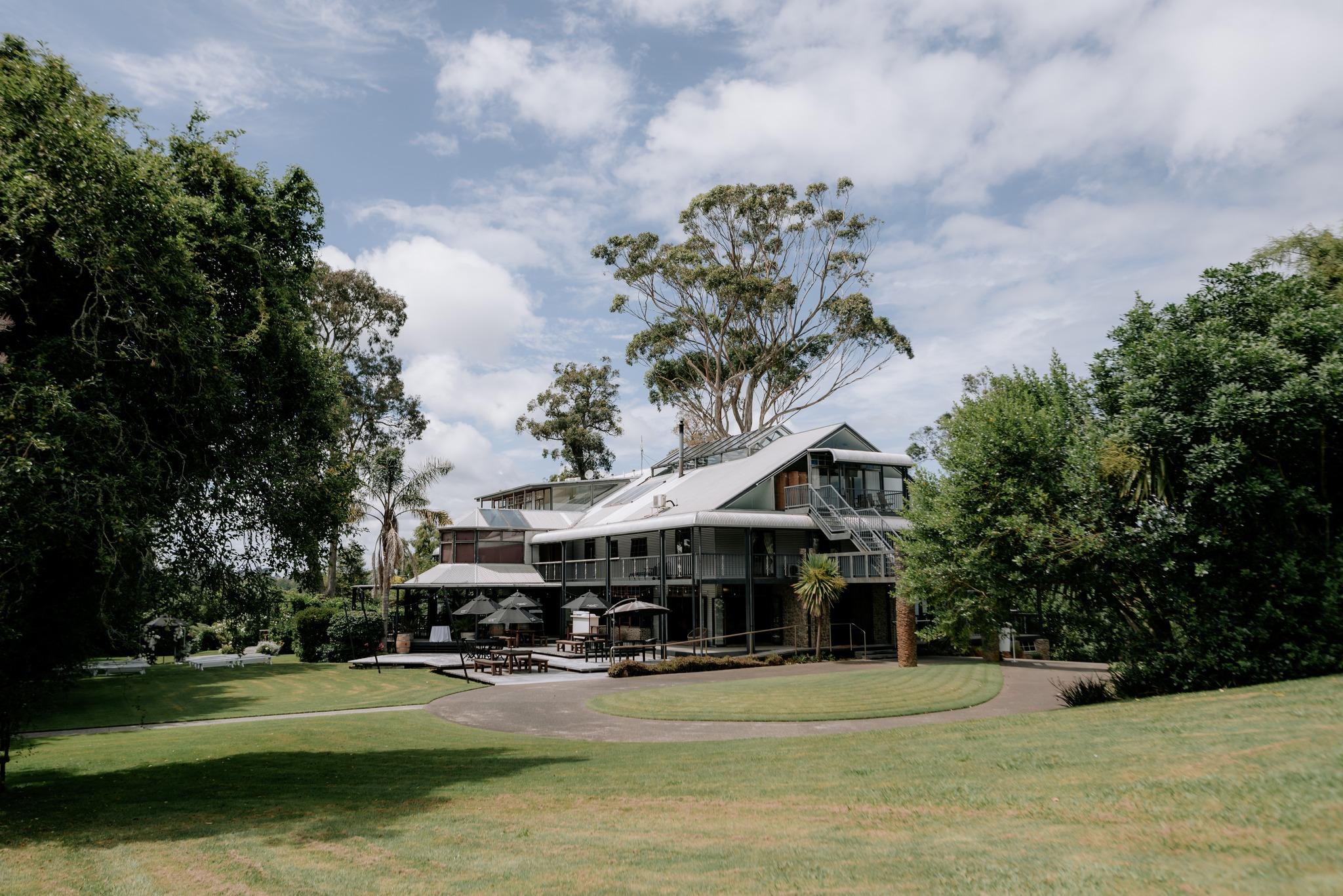
Wellington Street Beach is a sandy Waikato River beach in Hamilton East, within the Hayes Paddock riverside area. It is a local option for a picnic, a river view or a stop during a walk through Hamilton NZ. Despite its name, it is in Hamilton, New Zealand, rather than Wellington city, and it is a freshwater riverbank rather than an ocean beach.
You can enjoy a visit without entering the water. If swimming is part of your plan, check the current LAWA Wellington Street Beach information, local notices and river conditions first. A familiar location or a calm-looking surface does not establish that the river is safe.
Visitor information checked on 30 September 2026. Access, facilities and water conditions can change; check the linked official pages before travelling.
Wellington Street Beach at a glance
| Plan your visit | What to know |
|---|---|
| Location | Wellington Street, Hamilton East, beside the Waikato River in the Hayes Paddock area. |
| Setting | A freshwater river beach with parkland above the riverbank. |
| Visit ideas | River views, a picnic and a walking break; nearby Hayes Paddock offers a playground. |
| Getting there | Use Wellington Street Beach as your map destination. Check street signs and the final approach on arrival. |
| Swimming | Check water-quality information and river hazards separately. Do not assume the water is suitable on any particular day. |
| Works and facilities | Check Council’s improvement-project update and local notices for access and facility availability. |
Where is Wellington Street Beach?
The beach sits on the Hamilton East side of the Waikato River. Search for the full place name rather than simply “Wellington beach”, which can return coastal destinations elsewhere in New Zealand. The surrounding Hayes Paddock neighbourhood gives you a useful reference when checking your route.
For an introduction to the wider area, use our Hamilton NZ maps guide. Decide whether you want to arrive directly at the beach or include it in a longer riverside outing. The latter can be more enjoyable than treating the beach as a separate drive, especially if you already plan to explore Hamilton East.
A picnic and a riverside pause
A short visit works well as a place to sit, share a packed lunch and look across the river. Bring a picnic blanket, drinking water and a bag for your rubbish. Choose your spot after checking the ground and the river edge, and keep belongings clear of the route used by other visitors.
You do not need to organise a whole beach day. A coffee break before a walk or a quiet stop after exploring the neighbourhood can be enough. For food beforehand or afterwards, browse our Hamilton food and dining guide, then confirm the opening hours of your chosen business. Avoid relying on a kiosk or food service being available at the beach itself.

Walking, cycling and Hayes Paddock
Make the beach a stopping point during a riverside walk rather than the destination for a promised swim. Our Hamilton river walks and rides guide can help you consider a longer outing. Check route conditions and any diversions, particularly where work affects the riverbank. Leave enough daylight and energy for the return journey.
Nearby Hayes Paddock is listed by Council as a family park with play equipment, picnic tables, a walkway and bike path. Its playground is a useful alternative when children want an activity away from the water. Keep the park and beach distinct in your planning: a facility listed for the wider park is not necessarily on the sand.
On shared paths, allow space for people walking, using mobility aids or accompanying children. Slow down before passing, keep your group together and follow any signs that direct bikes around work areas. A flexible out-and-back walk lets you shorten the visit if the weather changes.
Can you swim at Wellington Street Beach?
Swimming requires a fresh decision on the day. The beach has a dedicated LAWA swim-site page, but a monitoring result describes water quality at the time of sampling, not every later moment. Read the date, any warning and the explanation of the result. Missing recent data does not mean permission to swim.
LAWA advises avoiding swimming for two to three days after heavy or prolonged rain. Its local guidance also advises staying out when the water is murky or smells unpleasant. Follow warning signs and choose a land-based visit when information or conditions leave you unsure.
How to read the LAWA swimming information
The LAWA page separates its latest sampling result from its long-term grade. Those two signals answer different questions. A recent sample indicates whether the measured bacteria result met national guidance when the sample was taken. The long-term grade summarises a longer record and does not describe every hour at the beach. Read both labels, the sampling date and any explanatory notice rather than relying on the colour of one status panel.
“No recent data” is not the same as a warning, but it is also not a current clearance. Conditions may have changed since the last sample. Rain, runoff and changing river flow can alter water quality between scheduled tests, so use the official result as one part of a decision made on the day. If the most recent information is old, the river looks different from normal or a warning is displayed, keep the visit on land.
LAWA also notes that monitored rivers can contain toxic-algae material even below a public-health warning threshold. Keep children and animals away from suspicious mats at the edge, and contact the regional or city council if you see something concerning. This guide does not identify algae from a photograph; use current official notices and avoid contact when you are uncertain.
River conditions and water safety
Water Safety New Zealand’s river guidance explains that strong currents can exist beneath a calm-looking surface. Depth, underwater obstacles and slippery edges add risks. Do not use the appearance of the beach or the presence of other swimmers as your only assessment.
Avoid jumping or diving into water of unknown depth, and do not use inflatable toys as safety equipment. Stay with your companions, actively supervise children near the bank and move away from an unsafe edge. If you want a managed swimming environment, check Hamilton Pools for current pool information instead.
For a wider view of conditions, Waikato Regional Council’s water information links to monitoring resources. A change upstream can affect your outing even when the sky overhead is clear. Turn back if access is flooded or closed.
Facilities, improvements and beach access
Council’s Wellington Street Beach improvement page describes upgraded toilets, shade, seating, a barbecue and drinking fountain as part of the project. It also covers erosion protection and changes to the beach approach. At our check, the page still displayed “Underway”; this guide does not assume every planned amenity is operating.
Check the latest project information before a visit that depends on a particular facility. On arrival, respect barriers and choose a different spot if the approach is restricted. Council says high river levels delayed part of the erosion-control and beach-access work, which includes retaining walls and an improved pathway down to the beach. A project date is not a promise that every surface is open when you arrive.
The old jetty was removed after severe weather and changing river levels damaged it. Council’s January 2026 update says a pontoon has been used instead and that there were no plans at that stage to replace the jetty. Treat the pontoon as part of the river environment, not as proof that swimming or launching is safe. Check the current layout and follow all signs because access can change after river events or construction.
Parking, buses and accessibility
If driving, navigate to the beach and check the permitted parking available on arrival. Read signs, keep driveways clear and allow time to find another legal space. This guide does not guarantee a space, a particular parking limit or a car park capacity.
Council’s completed Hayes Paddock transport project says two mobility parking spaces were added within the parking area near Wellington Street Beach. It also records safer connections between the street, beach, river path, playground and relocated bus stop. Confirm the marked spaces and route on arrival rather than assuming that a completed street project guarantees step-free access onto sand.
For public transport, start with our Hamilton buses guide and use BUSIT to plan the current route and final walk. Check the return trip as well as the outward journey, especially on weekends or public holidays.
Access to the wider park does not establish step-free access to the sand. If you use a wheelchair, mobility aid or pushchair, check the current approach with Council and consider the slope, surface and any construction. The sandy edge can present a different challenge from a formed path. Plan a park-only alternative if the beach approach does not meet your needs.
Planning a family visit
For families, a picnic and a visit to nearby play equipment offer a clear plan that does not depend on swimming. Set expectations before leaving: the outing can still be worthwhile if the river is unsuitable. Choose a meeting point away from the water, keep young children close and pack what you need for a comfortable outdoor stop.
Bring drinking water, hats, sun protection, suitable walking shoes and an extra layer. Take rubbish home and keep food packaging from blowing into the river. For a different outing, our Hamilton Lake guide covers a lakeside walk and playground visit; check its separate advice before considering any contact with lake water.
What to bring and check before leaving
A simple land-based visit needs less equipment than a swimming trip, but the natural river edge still rewards preparation. Pack for the conditions you can verify rather than for the beach day you hope to find.
- Live water information: open the Wellington Street Beach LAWA page and read the result date, long-term grade and any warning.
- Weather and recent rain: check the forecast and remember that rain upstream or in previous days can affect the river.
- Sun and warmth: bring shade, sunscreen, drinking water and an extra layer for changing conditions.
- Suitable footwear: use shoes that work for the formed paths and any uneven or damp ground near the bank.
- Food and rubbish: bring what you need, secure light packaging and take all waste away.
- A backup plan: choose a nearby walk, playground or food stop so the outing still works if beach access or water conditions are unsuitable.
Do one last check when you arrive. Signs, barriers, water colour, smell and river level are more immediate than an older photo or review. If the site does not match what you planned for, stay on the parkland or use your alternative rather than improvising at the water’s edge.
When to visit and how to make a day of it
Choose daylight, a suitable forecast and an accessible route rather than a fixed “best” month. Warm weather can make a picnic appealing, but it does not make river levels predictable. Use our Hamilton weather and seasons guide for general planning and check a live forecast before you leave.
| Time available | Suggested plan |
|---|---|
| A short stop | Look across the river, enjoy a packed snack and check the accessible route back. |
| A relaxed morning | Combine a riverside walk with a picnic and nearby Hayes Paddock play time. |
| A wider Hamilton outing | Add a Hamilton East food stop or choose another attraction from the Things to Do guide. |
These are suggested combinations, not fixed routes or walking times. Build in breaks and check each destination separately. If you were hoping for an ocean beach, use our beaches guide to explore other options and verify their conditions. Wellington Street Beach gives you a river setting within the city, with its own character and precautions.
Why Wellington Street Beach matters locally
Wellington Street Beach is not a new tourism invention. Hamilton City Council’s Hamilton City River Plan, published in 2014, records the beach as a long-used summer swimming location and places it within the wider Hayes Paddock reserve. That history helps explain why the site remains familiar to generations of Hamilton residents, even as facilities, access and the riverbank change.
The same plan identifies important Maaori history in the area. It records Te Moutere O Koipikau Pa on Graham Island near Hayes Paddock and connects the place with Ngāti Wairere history. This brief guide does not attempt to retell that history beyond what the Council plan records. Readers who want the place context should use the source document and wider Hamilton history resources rather than treating the beach only as a recreation stop.
The 2014 River Plan is useful historical context, not a current facilities list. Some concepts in older plans have changed, including the former jetty arrangement. For today’s visit, give priority to the current Council project page, live notices and what you find on arrival. Reading old and current sources together shows why dates matter when planning around a changing river environment.
Wellington Street Beach FAQs
Where is Wellington Street Beach?
Wellington Street Beach is beside the Waikato River on Wellington Street in Hamilton East, in the Hayes Paddock area. It is in Hamilton, New Zealand, rather than Wellington city.
Is Wellington Street Beach an ocean beach?
No. It is a sandy freshwater beach on the Waikato River. Plan for a riverbank setting rather than coastal surf.
Is Wellington Street Beach safe for swimming?
There is no blanket assurance of safe swimming. Check current LAWA information, local warnings and river conditions. Water-quality results do not assess every current, depth or underwater hazard.
Can you picnic without swimming?
Yes, a picnic, river view or walking break can be the whole visit. Choose an accessible spot away from an unsafe edge and follow any restrictions.
Are there toilets and other facilities?
Council’s project includes toilet and other amenity improvements. Check its latest update and local notices for current availability rather than assuming all planned facilities are operating.
Is there a playground nearby?
Council lists playground equipment at nearby Hayes Paddock. Plan it as a separate park stop rather than expecting play equipment on the beach.
Is the beach wheelchair accessible?
Confirm the current beach approach with Council. Park paths, slopes, sand and construction can affect access, so this guide does not promise a step-free route to the water.
Is the old jetty still there?
Council says the old jetty was removed after damage. Older photos can show an arrangement that has changed; follow current access information and signs.
Is there a pontoon at Wellington Street Beach?
Council’s January 2026 project update says a pontoon has been used in place of the removed jetty. Check current signs and access when you arrive because river conditions and construction can change the layout.
Official information before you go
Use LAWA for the beach’s latest available water-quality information, Hamilton City Council for park and project updates, Water Safety New Zealand for river precautions and BUSIT for transport. Check the date on each update. If a facility or accessible route is essential to your trip, confirm it directly before leaving.
Continue exploring Hamilton NZ
Find another walk, attraction or family outing in our Things to Do in Hamilton guide, or browse Hamilton parks and gardens for a different outdoor stop.