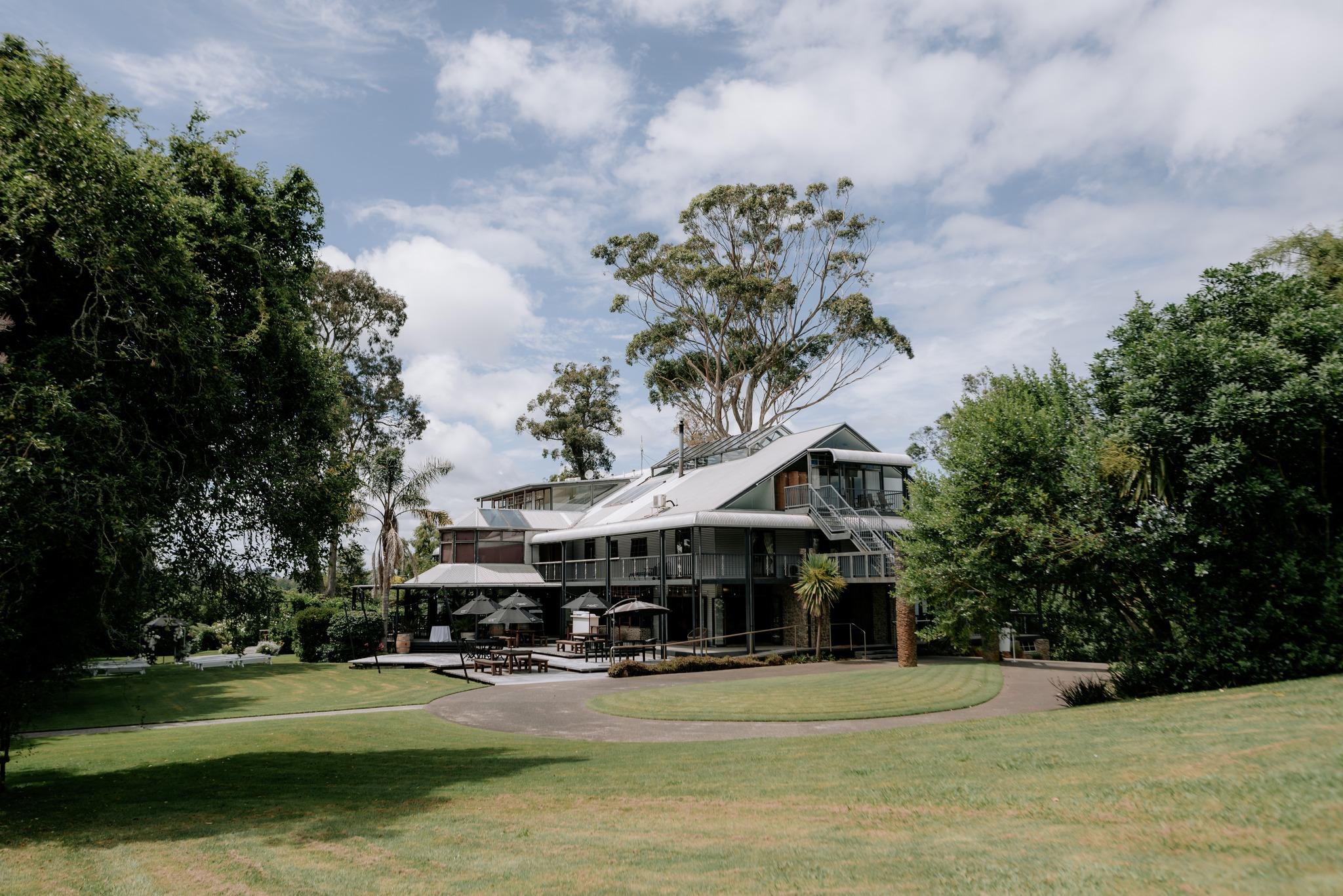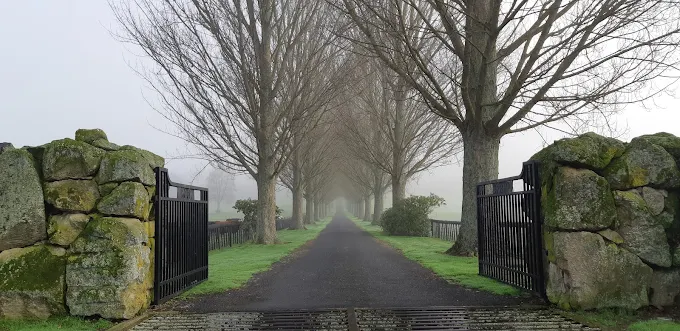

Hamilton Gardens is a public garden park beside the Waikato River in Hamilton, New Zealand. Its main attraction is a collection of 19 Enclosed Gardens that explore how different societies have designed and understood gardens. The Enclosed Gardens require a ticket or valid MyGardens Pass, while the Outer Gardens, playground, lake and open park areas remain free.
This guide brings the practical details into one place: current opening hours, admission, the free resident pass, parking, public transport, accessibility and how much time to allow. Prices and hours were checked against Hamilton Gardens and Hamilton City Council on 13 October 2026. Because operational details can change, use the linked official pages for a final check before travelling.
Hamilton Gardens visitor information at a glance
| Plan | Current information |
|---|---|
| Address | Hungerford Crescent, Cobham Drive, SH1C, Hamilton, New Zealand |
| Enclosed Gardens | 10am to 6pm daily except Christmas Day; last entry 5:30pm |
| Adult admission | $27.50 for non-Hamilton residents aged 16 and over |
| Children | Free for visitors aged 15 and under; an entry ticket is still required |
| Hamilton residents and ratepayers | Free Enclosed Gardens access with a validated MyGardens Resident Pass |
| Parking | Free parking at Gate 1 and Gate 2; accessible spaces are provided |
| Time to allow | About 2 hours for a focused Enclosed Gardens visit; half a day if adding lunch or Outer Gardens |
Check the official plan-your-visit page for any same-day changes or temporary closures.
What makes Hamilton Gardens different?
Hamilton Gardens is often searched for as a botanical garden, but its central idea is different. Rather than arranging the main experience by plant family, the Enclosed Gardens use architecture, planting, water, objects and pathways to examine garden traditions from different places and periods. That is why one doorway can lead to a restrained Japanese composition and another to a theatrical Italian or Surrealist setting.
The official directory now identifies 19 Enclosed Gardens. The Medieval Garden became the nineteenth when it opened on 24 September 2026. These paid-entry gardens sit within a wider public park that includes the Rogers Rose Garden, Rhododendron Lawn, Turtle Lake, playground, woodland and river connections. A visitor can therefore choose a ticketed cultural experience, a free park visit, or combine both.
This page concentrates on planning the visit. For the history and ideas behind the individual collections, use our separate guide to the Hamilton Gardens themed gardens. Keeping those questions separate makes it easier to find the right answer without repeating the same garden descriptions on two pages.

How much does Hamilton Gardens cost?
From 1 October 2026, standard admission to the Enclosed Gardens is $27.50 for a non-Hamilton resident aged 16 or over. Children aged 15 and under enter free but still need a ticket. Hamilton residents and Hamilton City ratepayers can enter free with a validated MyGardens Resident Pass.
The distinction between the Enclosed Gardens and the rest of the site matters. You do not need to buy a ticket to visit the Outer Gardens, Turtle Lake, playground, café, open lawns or public walking areas. If your visit is mainly a picnic, playground stop or river walk, the free areas may be enough. If you want the Chinese Scholars’, Italian Renaissance, Surrealist, Ancient Egyptian, Te Parapara or Medieval experiences, you need the appropriate ticket or pass.
| Visitor option | Price checked 13 October 2026 | What to know |
|---|---|---|
| Non-Hamilton adult, 16+ | $27.50 | Single Enclosed Gardens admission |
| Eligible cardholder | $25 | Official pass information lists NZ SuperGold, Community Services and NZ student ID examples |
| Child, 15 and under | Free | A ticket is still required; children under 14 must be accompanied by an adult |
| Hamilton resident or ratepayer | Free | Requires a validated MyGardens Resident Pass |
| Annual pass | $50 | Valid for 12 months for the named passholder |
| Entry with audio guide | $32.50 | Official guide content is available in English and Mandarin Chinese |
| Public Highlights Tour | $45 | A 75-minute guided visit; confirm available dates before planning around it |
Prices are operational information and may change. Confirm them on the official Hamilton Gardens ticket page. Hamilton City Council also publishes the applicable Gardens fees and charges.
How does the free Hamilton resident pass work?
People who live within the Hamilton City Council boundary, or pay Hamilton City Council rates, can register for a free MyGardens Resident Pass. Registration can begin online, but the pass must be validated. The official process asks visitors to take photo identification and proof of a Hamilton address to the Gallagher Visitor Centre.
- Register your details through the official MyGardens Pass page.
- Take photo ID and accepted proof of address to the Visitor Centre. Examples listed by Hamilton Gardens include a utility bill, bank statement or rates notice.
- Have the pass validated, then save it to a smartphone or request a physical pass.
- Present the pass for future standard entry to the Enclosed Gardens.
The resident pass does not automatically cover separately ticketed special events. Read the current requirements and eligibility boundaries on the official MyGardens Pass page.
What are the current Hamilton Gardens opening hours?
The Enclosed Gardens and Gallagher Visitor Centre are currently open from 10am to 6pm, with last entry at 5:30pm. The Enclosed Gardens close on Christmas Day. Vehicle gates and carparks operate from 6:15am to 9pm.
The wider site has different operating times. Hamilton Gardens lists public toilets from 7:30am to 6pm, and the café from 9am to 4pm on weekdays and 9am to 5pm on weekends. These times can change for holidays, maintenance, private events or seasonal operations. Check the official hours on the day you travel rather than relying on an old search result.
Arriving near the 10am opening gives you the full day ahead and may make it easier to plan a two-hour circuit before lunch. If you arrive later, remember that the last admission time is earlier than the 6pm closing time.
What should you see on a first visit?
A first visit works best when you choose a few contrasting gardens instead of rushing through every doorway. The official map is the right navigation tool, but the following sequence explains the range of the collection:
- Te Parapara Garden: begin with a place grounded in local Maaori horticultural knowledge and the history of Kirikiriroa.
- Italian Renaissance Garden: compare its symmetry, terraces and theatrical outlook with the productive character of Te Parapara.
- Indian Char Bagh Garden: slow down around the four-part plan, water channels and seasonal planting.
- Surrealist Garden: look for altered scale and unexpected forms rather than a conventional flower display.
- Medieval Garden: finish with the newest Enclosed Garden, built around a cloister and a working garden of useful plants.
The Chinese Scholars’ Garden and Japanese Garden of Contemplation are also popular, but each contains paths that the official accessibility information identifies as unsuitable for wheelchairs, mobility scooters, prams and strollers. Visitors who need step-free planning should check the accessibility map before choosing a route.

What changed with the Medieval Garden?
The Medieval Garden opened on 24 September 2026 and increased the Enclosed Gardens collection to 19. Hamilton City Council describes it as an interpretation of a medieval monastery garden, combining a cloistered walkway with a working garden arranged in four quadrants. Plants were selected for practical roles associated with food, remedies and household use.
The structure includes 52 archways, a 12-metre bell tower and 10,000 hand-finished tiles. These details are useful because they explain why this is more than a new planting bed: architecture and the idea of useful plants are part of the story. The planting will continue to change as herbs and climbing plants establish.
Some older pages still describe the Medieval Garden as under development. The dated Hamilton City Council opening announcement confirms that it is open and takes precedence over older project copy.
How long should you spend at Hamilton Gardens?
Allow about two hours for a focused first visit to the Enclosed Gardens. Choose three to five contrasting gardens if you have only an hour. Allow half a day if you want to explore more of the collection, stop at the café, use the playground or add a walk through the Outer Gardens.
| Time available | A sensible plan |
|---|---|
| About 1 hour | Choose three nearby Enclosed Gardens from the official map and avoid trying to complete the full collection |
| About 2 hours | Explore a varied Enclosed Gardens route or use an audio guide at a comfortable pace |
| Half a day | Add lunch, the Rose Garden, lake, playground or an Outer Gardens walk |
| Most of a day | Combine the gardens with a Waikato River walk and another nearby Hamilton activity |
Download the current official Hamilton Gardens map before arrival. It shows the courts, Enclosed Gardens, parking areas, toilets, water stations, bus stop, bike parking and accessibility cautions.
When is the best time to visit Hamilton Gardens?
There is no single best month because the collections are designed to change with the seasons. Spring and summer bring more flowering colour, while autumn gives the Japanese Garden a different character and winter can make the Tropical Garden especially appealing. Your best time depends on whether you value flowers, quieter paths, family activities or photography.
- Spring, September to November: new growth and emerging flowers across many parts of the site.
- Summer, December to February: strong seasonal colour, longer days and greater demand for parking.
- Autumn, March to May: changing foliage, including seasonal colour around the Japanese Garden.
- Winter, June to August: a different, quieter mood, with the Tropical Garden offering a warmer microclimate experience.
For an outdoor visit, check the Hamilton weather and seasons guide before choosing clothing and timing. The Enclosed Gardens may close individual areas for maintenance, events or safety, so weather alone does not determine what is available.
If photography is important, allow more time than the basic two-hour plan. The experience moves between open courtyards, shaded paths, reflective water and enclosed architectural spaces, so light conditions can change within a short walk. A quieter early visit may make composition easier, while a later visit can suit people who want to combine the gardens with lunch or another Hamilton stop. In either case, work backwards from the 5:30pm last-entry time rather than the 6pm closing time. Seasonal colour is only one part of the visit: several gardens are designed around structure, cultural ideas and useful plants, so an overcast or winter day can still be worthwhile.
How do you get to Hamilton Gardens?
The official address is Hungerford Crescent, Cobham Drive, SH1C, Hamilton. Hamilton Gardens is about five minutes by road from central Hamilton in ordinary conditions, although traffic and major events can add time.
- By car: free parking is available through Gate 1 and Gate 2. Gate 2 includes the Rose and Camellia parking areas.
- By bus: Hamilton Gardens currently identifies BUSIT Route 17 from Hamilton Transport Centre, with the Gardens stop at Gate 1. Check the live timetable before leaving.
- On foot or by bicycle: the Te Awa river route connects the city with the Gardens. The official directions recommend the Sillary Street underpass when approaching from Hamilton East or the central city.
- By campervan or large vehicle: the official transport page directs larger vehicles to the Gate 2 Camellia parking area.
Parking demand is highest between roughly 11am and 3pm on summer weekends and public holidays, according to Hamilton Gardens. Use the official travel and parking page for current directions. Our Hamilton bus guide explains the wider city network, while the Hamilton maps guide helps place the Gardens within a broader trip.
Is Hamilton Gardens accessible?
Many main paths and visitor facilities are accessible, but not every route is suitable for every mobility need. Hamilton Gardens states that most paths are gentler than a 1-in-12 gradient. It also warns that the paths toward Camellia Carpark and the Victorian Flower Garden are steeper, and that parts of the Chinese Scholars’ and Japanese gardens are inaccessible to wheelchairs, mobility scooters, prams and strollers.
- Accessible parking is available in the Gate 1 and Gate 2 parking areas.
- Four manual wheelchairs are listed for free visitor use, with advance booking recommended.
- The café is accessible to wheelchairs and mobility scooters.
- Accessible toilets are available near the Red Arch, in the Pavilion and beside the playground.
- A controlled-entry Changing Places facility is located beside the playground at Gate 2.
- One essential support person may receive free entry when the official eligibility evidence is provided.
Accessibility needs differ, so do not rely on a broad claim that every path is accessible. Review the official accessibility guide and map, or contact the Gallagher Visitor Centre on 07 838 6782 before travelling.
What should families and dog owners know?
The destination playground is near Gate 2 and the Rogers Rose Garden, making that entrance practical for many families. The wider site also has picnic spaces, toilets with baby-changing facilities and open areas where a shorter visit can work without entering every themed garden. Children aged 15 and under enter the Enclosed Gardens free, but they need a ticket, and children under 14 must be accompanied by an adult.
Dogs are permitted on lead in the Outer Gardens, but not in the Enclosed Gardens or Hamilton East Cemetery. A designated off-lead exercise area is near Gate 1. Certified disability assist dogs are welcome throughout Hamilton Gardens. These rules distinguish assistance dogs from companion or emotional-support animals.
For current family facilities and site rules, use the official Hamilton Gardens FAQs. If a playground stop is the main purpose of your day, our wider Things to Do in Hamilton hub also connects to family, outdoor and wet-weather options.
How can Hamilton Gardens fit into a wider Hamilton trip?
Hamilton Gardens can fill a focused morning, a half-day or most of a day. The river setting also makes it a useful starting point for linking an attraction visit with the city rather than driving directly in and out.
- For a first-time visitor: spend two hours in the Enclosed Gardens, have lunch, then choose one other entry from our featured Hamilton attractions.
- For walkers: continue along the Waikato River path and use our Waikato River in Hamilton guide for cultural and route context.
- For an overnight stay: compare neighbourhoods and practical options in the Hamilton accommodation guide rather than choosing only by distance on a map.
- For a return visit: choose a different season, check current events and focus on gardens that were missed the first time.
Plan with current official information
Confirm today’s hours, ticket availability, temporary closures and events directly with Hamilton Gardens before setting out.
Open the official visitor planner ↗Hamilton Gardens frequently asked questions
Is Hamilton Gardens free?
The Outer Gardens, playground, lake, café area and public park spaces are free. The Enclosed Gardens require a ticket or valid MyGardens Pass. Hamilton residents and ratepayers can obtain a free resident pass, and visitors aged 15 and under enter free with a ticket.
How much is Hamilton Gardens entry?
Standard non-Hamilton adult admission to the Enclosed Gardens is $27.50 from 1 October 2026. Eligible cardholders are listed at $25, children aged 15 and under are free, and the annual pass is $50. Check the official ticket page before travelling.
What time does Hamilton Gardens open?
The Enclosed Gardens and Gallagher Visitor Centre currently open at 10am and close at 6pm, with last entry at 5:30pm. The Enclosed Gardens close on Christmas Day. Vehicle gates and carparks operate from 6:15am to 9pm.
How long do you need at Hamilton Gardens?
Allow about two hours for a focused first visit to the Enclosed Gardens. One hour is enough for a small selection, while half a day gives time for more gardens, lunch, the playground or the free Outer Gardens.
Is parking free at Hamilton Gardens?
Yes. Hamilton Gardens provides free parking through Gate 1 and Gate 2, including accessible spaces. Parking can be busy between about 11am and 3pm on summer weekends and public holidays.
Can you take dogs to Hamilton Gardens?
Dogs may be walked on lead in the Outer Gardens but are not allowed in the Enclosed Gardens or Hamilton East Cemetery. An off-lead exercise area is near Gate 1. Certified disability assist dogs are welcome throughout the site.
Is Hamilton Gardens wheelchair accessible?
Many main paths and facilities are accessible, but some routes are steep and parts of the Chinese Scholars’ and Japanese gardens are not suitable for wheelchairs or mobility scooters. Consult the official accessibility map and contact the Visitor Centre for route advice.
How many Enclosed Gardens are there?
Hamilton Gardens has 19 Enclosed Gardens following the opening of the Medieval Garden on 24 September 2026. Future projects are separate from the current visitor count, so use the official directory for the live list.
Sources and checking date
This visitor guide was checked on 13 October 2026 against Hamilton Gardens’ official ticket, resident-pass, hours, transport, accessibility, map and FAQ pages, plus Hamilton City Council’s current fees and dated Medieval Garden opening announcement. We link to those primary sources so visitors can verify details that may change after publication.